
There's a version of this story that plays out all the time. Someone scrolls through Airbnb late at night, sees an Oahu vacation rental listed at $300 a night, does some quick math on a napkin, and thinks: "I need to buy one of those."
It's an exciting moment, and the excitement isn't wrong. Short-term rentals can be genuinely excellent investments. We know firsthand, because we own them ourselves alongside managing them for other owners on Oahu. But the napkin math is usually where things start to go sideways.
The most common reason short-term rental owners end up frustrated, underperforming, or burned out isn't the market. It's the gap between what they expected owning a short-term rental (STR) to feel like and what it actually is. So let's close that gap.
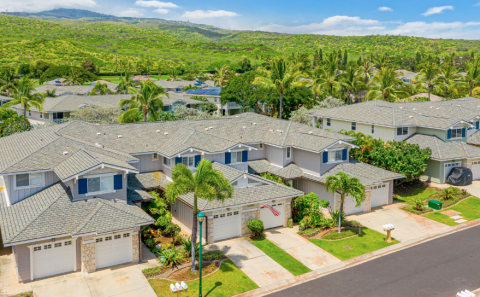
A Short-Term Rental Is a Business, Not Just a Property
"Passive income" is one of the most misused phrases in real estate. A short-term rental isn't really a property; it's a hospitality business housed in a property you own. Your guests aren't tenants, they're customers, and their experience determines whether they come back, leave a five-star review, and whether your listing rises or sinks in a competitive algorithm.
That means consistent upkeep between every single stay: quality linens, fast Wi-Fi, a personal welcome, photos that still match the space, and small fixes handled before a guest ever notices. None of it happens on its own.
Before You Buy on Oahu: Know the Rules First
Honolulu has some of the strictest short-term rental rules in the country, and they keep changing. Short-term rentals (stays under 30 consecutive days) are only legal in resort-zoned areas, limited apartment-zoned areas, or on properties with a valid grandfathered Nonconforming Use Certificate (NUC). New NUCs are not being issued, and efforts to raise the minimum stay to 90 days remain tied up in litigation.
The takeaway for buyers: a property's zoning and permit status determine what's legally possible, not the listing price or the seller's pitch. Before you make an offer, confirm the zoning, NUC or STR license status, and minimum-stay rules with the Honolulu DPP and a local real estate professional. Rules change often, so always verify before you buy or advertise.

The Real Costs of Running a Quality STR
When prospective owners ask what it actually costs to run a short-term rental well, we walk them through a list that often surprises them. A realistic picture includes:
Platform and booking fees. Airbnb, Vrbo, and direct-booking channels all take a cut. Factor this in from day one; it's not optional.
Professional cleaning. Non-negotiable. Guests have been spoiled by high standards, and a subpar clean lands in your reviews before you even know it happened. Reliable cleaners who show up on time, every time, are worth every penny, and they aren't cheap.
Restocking consumables. Toiletries, paper towels, coffee, dish soap, laundry pods: these vanish. They have to be replaced, tracked, and restocked between stays without fail.
Routine maintenance. Things break. Faucets drip, screens tear, salt air corrodes. Small issues ignored become big issues that generate bad reviews. Budgeting for maintenance isn't pessimism; it's good business.
Repairs and upgrades. After two or three years of heavy guest traffic, many items need replacing. Furniture, mattresses, kitchen equipment, and outdoor furniture all have a shorter lifespan in a rental than in a private home. Plan for it.
Utilities and insurance. Short-term rental insurance differs from standard homeowner's coverage and is typically more expensive. Utilities also run higher than you'd expect, especially with air conditioning in Hawaii's climate.
Taxes. Hawaii STR income is subject to General Excise Tax (GET) and Transient Accommodations Tax (TAT), plus Oahu's county surcharge. Build these into your numbers and confirm current rates with the State of Hawaii.
Marketing and photography. A great listing with professional photos significantly outperforms a mediocre one. This is an investment with a direct return on occupancy.
The owners who thrive understand these costs going in and build them into their financial model. The ones who struggle usually expected most of them to be optional.
"Why Do I Have to Keep Spending Money on This Thing?"
We hear this, and we get it. When you've already spent significantly on a property, being told it needs new throw pillows or a fresh coat of paint can feel like a squeeze.
But here's the honest truth from our perspective as both owners and managers: the properties that receive consistent investment consistently outperform the ones that don't. A listing that looks fresh, feels well-maintained, and earns five-star reviews commands higher nightly rates, attracts better guests, and holds stronger occupancy year-round. A tired listing collecting "it was fine, but…" reviews is quietly losing ground, even when you can't see it happening in real time.
When guests walk in, they don't know or care what the place cost you. They're comparing their experience to every other place they've stayed. In a market where travelers have endless options and will spend 20 minutes reading reviews before booking, perception is everything. Investing in quality isn't a liability; it's what protects your revenue.
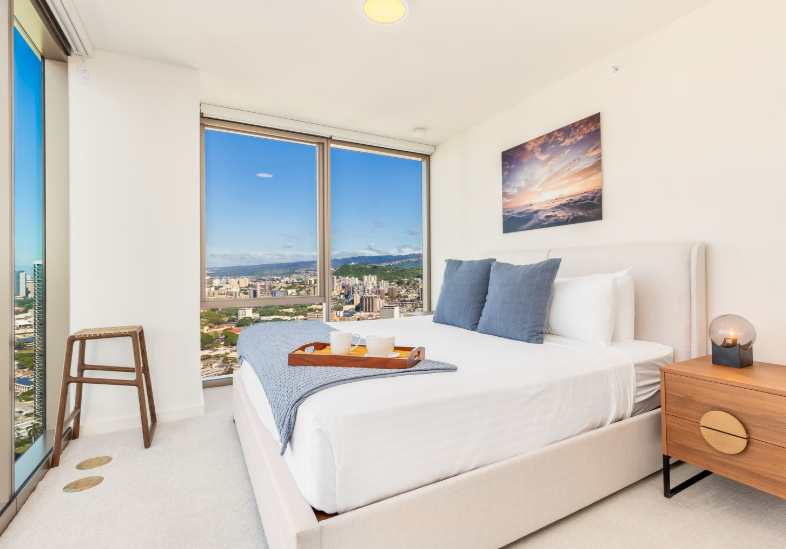
What Successful STR Ownership Actually Looks Like
The owners who do really well tend to share a few habits. They treat it like a business, keeping a budget, tracking performance, and making data-informed calls on pricing, upgrades, and timing. They think long-term, never squeezing this quarter's profit at the expense of the property's condition or the guest experience. They trust their team, whether a property manager, cleaner, or maintenance crew, and let the professionals do their jobs. They stay curious, adapting as markets shift and guest expectations evolve. And they were honest with themselves going in: they never expected a fully hands-off experience, and they made peace with the decisions, costs, and occasional headaches before signing anything.

A Word Before You Buy
If you're exploring your first short-term rental purchase, do a few things before you pull the trigger.
Study the market seriously: not just average nightly rates, but occupancy trends, seasonality, the local zoning and permit picture, and what the top-performing listings actually offer guests. Talk to people already doing it, and ask the questions nobody wants to answer publicly: the difficult guests, the surprise repairs, the slow seasons. And on Oahu specifically, confirm the regulatory status of any property before you fall in love with the numbers.
If the math still makes sense after that honest accounting, you may be looking at a genuinely great opportunity. Short-term rentals can absolutely generate strong returns; we've seen it and lived it. But they reward owners who go in clear-eyed, not the ones chasing a fantasy.
Frequently Asked Questions
Is owning a short-term rental actually passive income?
Not really. A short-term rental is a hospitality business housed in a property you own. It requires ongoing cleaning, restocking, maintenance, guest communication, and marketing between every stay. With a professional manager it can become close to hands-off for the owner, but the work itself never disappears.
Are short-term rentals legal on Oahu?
Only in specific situations. The City and County of Honolulu generally permits rentals under 30 consecutive days in resort-zoned areas and certain apartment-zoned areas, or on properties holding a valid grandfathered Nonconforming Use Certificate (NUC). New NUCs are not being issued, and some properties require an STR license. Because the rules are actively contested in court, always confirm the current status of a specific property with the Honolulu DPP before buying or advertising.
What does it cost to run a short-term rental?
Beyond the mortgage, plan for platform fees, professional cleaning, consumables, routine maintenance, periodic repairs and upgrades, specialized STR insurance, STR license (if applicable), higher utilities, applicable Hawaii taxes (GET and TAT plus the county surcharge), and marketing. Many first-time owners underestimate these recurring costs.
Do I need professional photos and ongoing upgrades?
Yes. Listings with professional photography and consistent upkeep earn higher nightly rates, better reviews, and stronger occupancy. Underinvested properties slowly lose ranking and revenue, even when the decline isn't obvious month to month.
Should I hire a property manager for my Oahu rental?
If you don't live on island, can't handle guest issues at all hours, or simply want the asset run like a business, professional management usually pays for itself through higher occupancy, better reviews, and protected property condition. Ali'i Beach Rentals manages short-term rentals all over the island of Oahu.
We're Here When You're Ready
If you're considering a short-term rental investment on Oahu, or already own one and want to make sure it's performing to its full potential, we'd love to talk! We manage properties every day with the same care and standards we apply to our own, and we're honest with every owner we work with, even when the truth is inconvenient. That's the kind of partnership that actually gets result.
Contact us today to schedule a conversation. No pressure, no pitch. Just a real conversation about what's possible. Use our ROI calculator to estimate your vacation rental income potential.
This article is general information, not legal, tax, or financial advice. Short-term rental regulations on Oahu are complex and subject to change; confirm current rules with the City and County of Honolulu Department of Planning and Permitting and qualified local professionals before making decisions.