

Where Should You Stay on Oahu? A Guide to Choosing the Right Area
Oahu is only 44 miles long, so it is tempting to assume the location of your rental will not matter much. It matters more than almost any other choice you will make while planning. The island's coastlines have different weather, different water conditions and very different personalities, and the drive between two of them can eat 90 minutes of a vacation day.
We have managed vacation rentals across Oahu since 2004, and the question we field most often is where to stay on Oahu for a first trip. Below is how we answer it, area by area, with the drive times and seasonal notes that usually decide it.
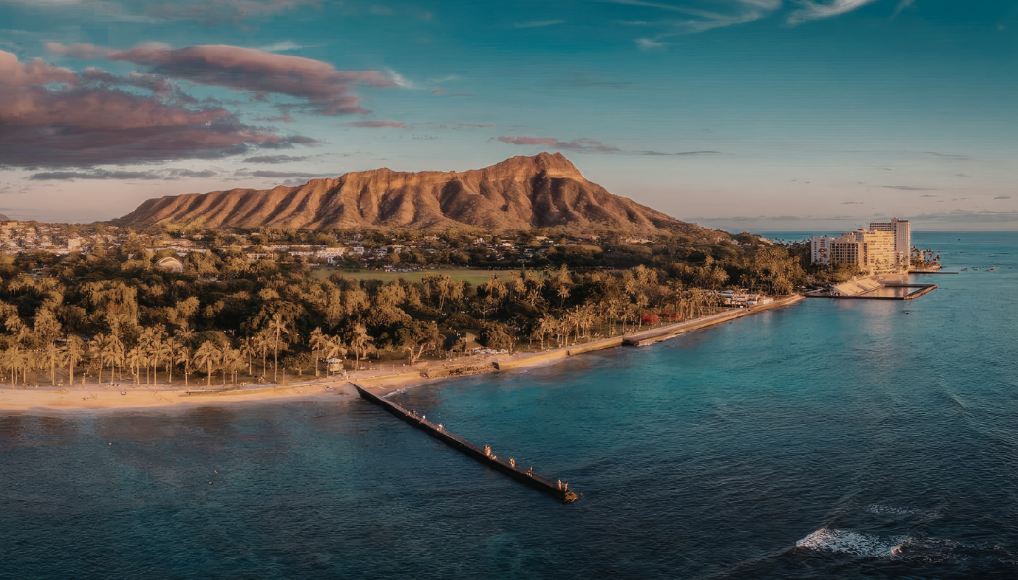
Oahu at a Glance
- Waikiki. Home base for most trips. Best for first-timers, walkability and nightlife. No car needed.
- Ala Moana. 5 to 10 minutes from Waikiki. Best for shopping, calm swimming and a more local feel. No car needed.
- Diamond Head. 5 to 10 minutes from Waikiki. Best for quiet mornings within walking distance of the action. Car optional.
- Waialae. 15 minutes from Waikiki. Best for residential quiet, golf and Kahala Mall. Car needed.
- Manoa. 15 minutes from Waikiki. Best for green valley living, hiking and longer stays. Car needed.
- Hawaii Kai. 25 minutes from Waikiki. Best for snorkeling, marina life and east side hikes. Car needed.
- Kailua. 30 to 40 minutes from Waikiki. Best for calm turquoise water and a beach town pace. Car needed.
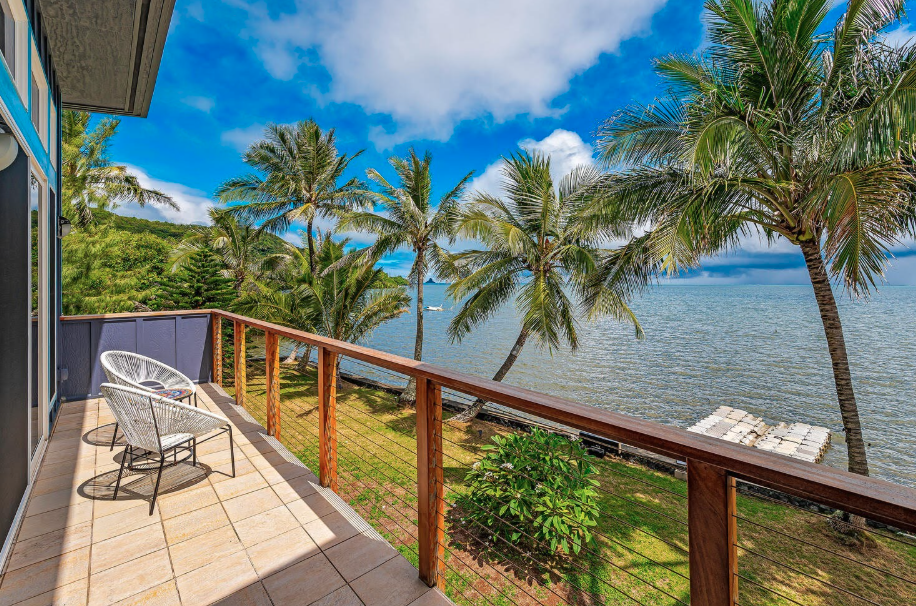
- Kaneohe. 35 to 45 minutes from Waikiki. Best for sandbar trips, mountain scenery and value. Car needed.
- Ko Olina. 35 to 45 minutes from Waikiki. Best for families, protected lagoons and resort ease. Car needed.
- Ewa Beach. 35 to 45 minutes from Waikiki. Best for space for the money, golf and Pearl Harbor access. Car needed.
- North Shore. 60 to 75 minutes from Waikiki. Best for surf culture, slow days and summer snorkeling. Car needed.
- Turtle Bay. 60 to 75 minutes from Waikiki. Best for resort amenities with North Shore quiet. Car needed.
- Makaha Valley. 60 minutes from Waikiki. Best for sun, seclusion, sea turtles and low crowds. Car needed.
Drive times assume normal traffic. Add 20 to 30 minutes in either direction during rush hour, and add more on winter weekends when the North Shore surf is running.
Best Area for First-Time Visitors
For a first trip, stay in Waikiki. It is the recommendation we give almost every time, and the reasons are practical rather than sentimental.
Waikiki puts two miles of gentle, lifeguarded beach, several hundred restaurants, the airport shuttle network and most tour departure points inside a walkable grid. You can land, drop your bags and be in the water in under an hour without ever getting behind a wheel. The south shore also has the most forgiving water on the island for beginners, which is why every surf school on Oahu teaches there.
The other advantage is flexibility. From a Waikiki base you can reach Pearl Harbor, Hanauma Bay, Kailua and the North Shore as day trips, then come home to shops and restaurants that are still open at 9pm. Staying out at the edges of the island reverses that: beautiful days, quiet nights, more driving.
A useful rule for a first trip: split the difference. Book five nights in Waikiki, then two or three on the North Shore or in Ko Olina at the end. You get the convenience and the escape without spending your vacation in a rental car. Read this blog post to see whether you need a rental car on Oahu.
Where to Stay for Beach Access
Every area on Oahu has a beach. They are not remotely the same beach, and the season changes them.
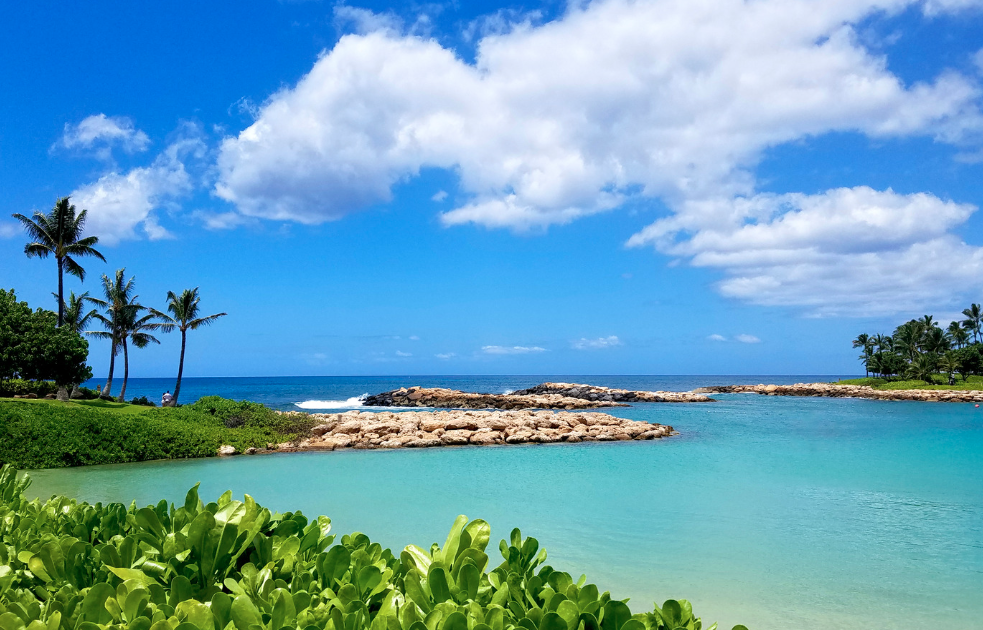
Calm water year-round. Ko Olina is the safest bet on the island. Its four sheltered lagoons stay swimmable when the rest of the coastline is churning, which makes them ideal for small children and nervous swimmers. Ala Moana is the local equivalent in town, with a reef-protected swimming channel and far fewer visitors than Waikiki Beach.
Postcard water with a short drive. Kailua delivers the turquoise water and powdered sand that show up in most Hawaii photography, along with Lanikai a mile down the road. Parking there is limited and residential, so plan to arrive early. Kaneohe trades swimming beaches for something better: boat access to the Kaneohe sandbar, plus the most dramatic mountain backdrop on the island.
Snorkeling. Hawaii Kai sits minutes from Hanauma Bay, which requires advance reservations and is closed Mondays and Tuesdays. In summer, Shark's Cove on the North Shore is as good as snorkeling gets in Hawaii.
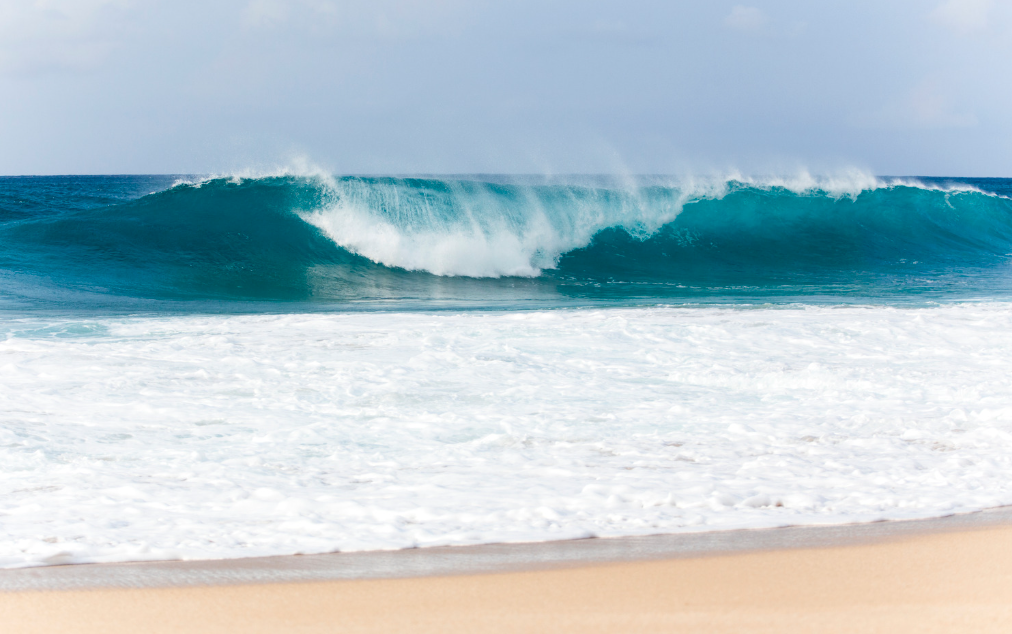
Surf and space. The North Shore and Makaha Valley belong to the ocean, not to swimmers, from roughly November through February. Waves at Waimea, Pipeline and Makaha regularly close out the shoreline. From May through September the same beaches turn into glass. Check Hawaii Beach Safety ocean conditions website for current surf and hazard reports by beach.
Best Area for Families
The right family area depends almost entirely on the age of the kids.
Toddlers and young children. Ko Olina wins. The lagoons are shallow, protected and lifeguarded, the walkways are stroller-friendly, and the parking situation is calm compared to town. Groceries are five minutes away in Kapolei. Ewa Beach sits just east of it and offers more square footage for the money, which matters when you are traveling with a pack-and-play and a stroller.
School-age kids. Waikiki and Diamond Head are hard to beat. Surf lessons, catamaran trips, the aquarium, the zoo and shave ice are all within walking distance, and a condo with a kitchen and a washer keeps the trip affordable and sane. Diamond Head in particular gives you Kapiolani Park and quieter evenings while staying a ten minute walk from everything.
Teens and multigenerational groups. Turtle Bay and the North Shore give older kids room to roam, with horseback riding, bike paths, snorkeling coves and surf towns to explore. Waialae and Manoa work well for larger groups who want a residential house and do not mind driving.
One practical note for families: a vacation rental with a full kitchen and in-unit laundry usually pays for itself by day three. Breakfast for five in Waikiki runs about what a night of groceries costs. Browse Oahu Vacation Rentals by Type on our website.
North Shore vs Waikiki
This is the most common Oahu vacation planning debate, and both sides have a real case.
Waikiki gives you convenience, choice and energy. Everything is walkable, the beach is safe most of the year, and you are 25 minutes from the airport. The tradeoffs are crowds, resort fees at most hotels and paid parking that often runs $40 to $60 a night.
The North Shore gives you seven miles of legendary coastline, Haleiwa town, food trucks, sea turtles and a pace that resets your nervous system. The tradeoffs are real too. Restaurants close early, groceries mean a drive, and from November through February the surf that makes the coast famous also makes most of it unswimmable. Winter weekends bring bumper-to-bumper traffic on Kamehameha Highway.
Our take for a one-week trip: base in Waikiki and drive up for a day. For a two-week trip, or a return visit, split the stay. Travelers who genuinely want quiet over convenience should book the North Shore or Turtle Bay for the whole trip and accept the driving.
Ko Olina vs Waikiki
Ko Olina is the choice for travelers who want a resort rhythm without the density of town.
The lagoons are the difference. They are man-made, calm and protected, and they solve the single biggest problem families face on Oahu, which is finding water safe enough for small kids on any given day. Ko Olina is also about 30 minutes from the airport, so arrival day is short, and it sits on the dry leeward side where rain is rare.
What you give up is walkable variety. Dining outside the resorts means driving to Kapolei, and a trip into Honolulu is a 35 to 45 minute commitment each way, longer during rush hour. Ko Olina rewards people who plan to stay put. Waikiki rewards people who plan to move around.
Budget-wise the two are closer than most travelers expect once Waikiki parking and resort fees are counted. A Ko Olina condo with a kitchen and free parking often lands under the all-in nightly cost of a comparable Waikiki hotel room.
Find the Right Oahu Vacation Rental
Two things worth knowing before you book anywhere on Oahu.
First, most legal nightly rentals on the island sit in resort-zoned areas such as Waikiki, Ko Olina, Turtle Bay and parts of Makaha. In residential neighborhoods and some high rise buildings the legal minimum is generally 30 days. If a listing in a residential area is offering a five-night stay, that is a signal to look closely. Booking with a licensed local manager takes that risk off your plate entirely, and it is why we publish license numbers on every listing.
Second, the area you choose is easier to get right with someone on the island answering the phone. We manage about 150 Oahu vacation rentals as a locally owned company, our team is here seven days a week, and we will tell you honestly when a property is wrong for your trip.
Browse by location to compare areas side by side, or look at monthly rentals if you are staying 30 nights or longer. When you are ready to book, our team is one call away.
FAQ
Where should I stay on Oahu for my first visit?
Waikiki. It is walkable, close to the airport, has the island's most beginner-friendly beach, and puts most tours and restaurants within a few blocks. Many first-time visitors add two or three nights on the North Shore or in Ko Olina at the end of the trip.
Is it better to stay in Waikiki or the North Shore?
Waikiki for convenience, dining and safe year-round swimming. The North Shore for quiet, surf culture and space. On a one-week trip most travelers are happier basing in Waikiki and driving up for a day, since the North Shore is 60 to 75 minutes away and winter surf makes much of the coast unswimmable.
What is the best area to stay on Oahu with kids?
Ko Olina for toddlers and young children, because the four protected lagoons stay calm year-round. Waikiki and Diamond Head suit school-age kids who want surf lessons and walkable activities. Turtle Bay and the North Shore work well for teens.
Do I need a rental car on Oahu?
Not in Waikiki or Ala Moana, where walking, the bus and rideshare cover most needs. Everywhere else on the island, yes. Ko Olina, Kailua, Ewa Beach, the North Shore and Makaha all require a car for groceries, dining and day trips.
How far is Ko Olina from Waikiki?
About 25 miles, or 35 to 45 minutes without traffic. Ko Olina is closer to the airport than Waikiki is, at roughly 30 minutes, which makes for a short arrival day.
Can I book a short stay outside a resort area on Oahu?
Usually not. Most residential neighborhoods on Oahu carry a 30-day minimum stay, unless the property has an NUC, and legal nightly rentals are mostly concentrated in resort-zoned areas including Waikiki, Ko Olina, Turtle Bay and parts of Makaha. Booking through a licensed local property manager is the simplest way to avoid a cancelled reservation.